
Loop Dictionary Django Template - Learn how to loop through and access nested dictionary data in django templates. Learn how to access dictionary values passed into django templates. Also some users mentioned values[0]. Use dot notation, for loops, and custom template tags. For example, to display a list of. You can use the data.items() method to get the dictionary elements. The {% for %} loop is used to iterate over the outer dictionary ('languages') and the inner dictionary ('details'). To display values from a nested dictionary in django templates, use nested for loops to iterate through both the outer and inner. Use dot notation, provide default values, loop through keys and more. This article revolves about how to use for tag in templates.

Django Template Loop
Also some users mentioned values[0]. Use dot notation, provide default values, loop through keys and more. For example, to display a list of. The {% for %} loop is used to iterate over the outer dictionary ('languages') and the inner dictionary ('details'). Learn how to loop through and access nested dictionary data in django templates.

Django Template For Loop
For example, to display a list of. This article revolves about how to use for tag in templates. Also some users mentioned values[0]. The {% for %} loop is used to iterate over the outer dictionary ('languages') and the inner dictionary ('details'). Use dot notation, for loops, and custom template tags.

Django Template Loop
This article revolves about how to use for tag in templates. Use dot notation, for loops, and custom template tags. Learn how to loop through and access nested dictionary data in django templates. To display values from a nested dictionary in django templates, use nested for loops to iterate through both the outer and inner. For tag loops over each.

The Django Template For Loop A Comprehensive Guide
This article revolves about how to use for tag in templates. Learn how to access dictionary values passed into django templates. You can use the data.items() method to get the dictionary elements. The {% for %} loop is used to iterate over the outer dictionary ('languages') and the inner dictionary ('details'). For example, to display a list of.

Django Template For Loop Printable Word Searches
Note, in django templates we do not put (). Learn how to loop through and access nested dictionary data in django templates. This article revolves about how to use for tag in templates. Use dot notation, provide default values, loop through keys and more. Use dot notation, for loops, and custom template tags.

Django Template For Loop
For example, to display a list of. To display values from a nested dictionary in django templates, use nested for loops to iterate through both the outer and inner. For tag loops over each item in an array, making the item available in a context variable. The {% for %} loop is used to iterate over the outer dictionary ('languages').

Django Template Loop
Also some users mentioned values[0]. Use dot notation, provide default values, loop through keys and more. Use dot notation, for loops, and custom template tags. Learn how to loop through and access nested dictionary data in django templates. You can use the data.items() method to get the dictionary elements.
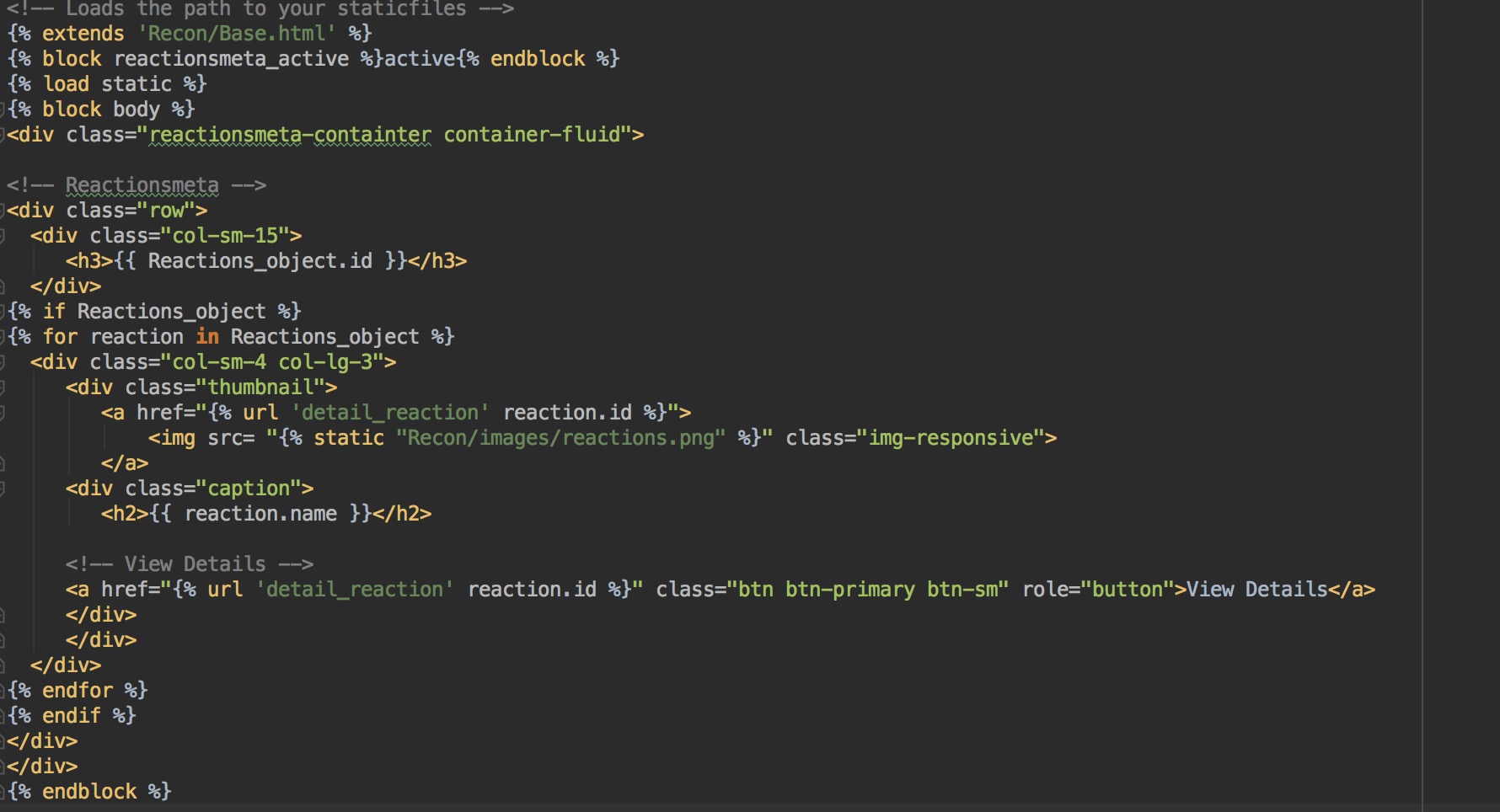
Django Template For Loop
This article revolves about how to use for tag in templates. Learn how to loop through and access nested dictionary data in django templates. Use dot notation, provide default values, loop through keys and more. Learn how to access dictionary values passed into django templates. For tag loops over each item in an array, making the item available in a.

Django Template For Loop
To display values from a nested dictionary in django templates, use nested for loops to iterate through both the outer and inner. Learn how to access dictionary values passed into django templates. Learn how to loop through and access nested dictionary data in django templates. For tag loops over each item in an array, making the item available in a.

Understanding The For Loop In Django Template
Note, in django templates we do not put (). Learn how to loop through and access nested dictionary data in django templates. The {% for %} loop is used to iterate over the outer dictionary ('languages') and the inner dictionary ('details'). Use dot notation, provide default values, loop through keys and more. To display values from a nested dictionary in.
To display values from a nested dictionary in django templates, use nested for loops to iterate through both the outer and inner. For tag loops over each item in an array, making the item available in a context variable. Learn how to access dictionary values passed into django templates. Use dot notation, for loops, and custom template tags. Learn how to loop through and access nested dictionary data in django templates. Use dot notation, provide default values, loop through keys and more. Note, in django templates we do not put (). This article revolves about how to use for tag in templates. Accessing dictionary elements in django templates can be accomplished through various methods, including direct access using dot or bracket notation, handling missing keys with. For example, to display a list of. Also some users mentioned values[0]. You can use the data.items() method to get the dictionary elements. The {% for %} loop is used to iterate over the outer dictionary ('languages') and the inner dictionary ('details').
For Tag Loops Over Each Item In An Array, Making The Item Available In A Context Variable.
Note, in django templates we do not put (). Learn how to loop through and access nested dictionary data in django templates. Accessing dictionary elements in django templates can be accomplished through various methods, including direct access using dot or bracket notation, handling missing keys with. Learn how to access dictionary values passed into django templates.
Use Dot Notation, Provide Default Values, Loop Through Keys And More.
You can use the data.items() method to get the dictionary elements. This article revolves about how to use for tag in templates. For example, to display a list of. To display values from a nested dictionary in django templates, use nested for loops to iterate through both the outer and inner.
The {% For %} Loop Is Used To Iterate Over The Outer Dictionary ('Languages') And The Inner Dictionary ('Details').
Use dot notation, for loops, and custom template tags. Also some users mentioned values[0].